
Persistent redness, itching, and sweating may be more than minor irritation—they can signal skin conditions or underlying health issues.
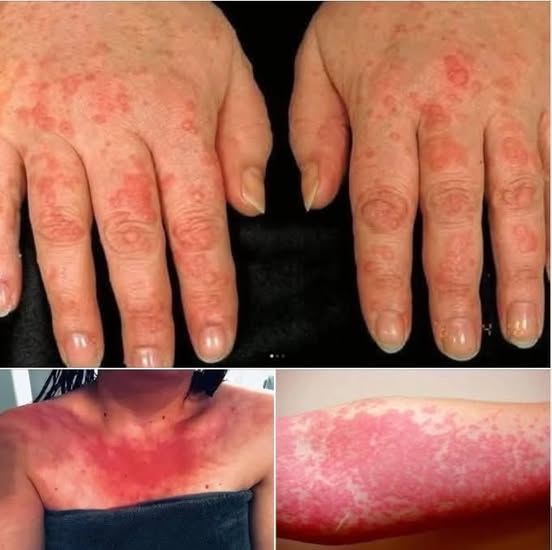
Common Causes:
-
Contact Dermatitis – Skin reacts to soaps, cosmetics, metals, or fabrics. Symptoms: redness, itching, blisters. Avoid triggers and use moisturizers or topical treatments.
-
Heat Rash (Miliaria) – Sweat ducts get blocked in hot, humid conditions. Symptoms: red bumps, prickling, itching. Keep skin cool and dry.
-
Allergic Reactions – Caused by food, insect bites, medications, or environmental allergens. Symptoms: hives, red patches, swelling. Antihistamines help; severe reactions need emergency care.
-
Fungal Infections – Thrive in warm, moist areas. Symptoms: red, itchy patches, peeling skin. Keep skin dry, use antifungal creams.
-
Hyperhidrosis – Excessive sweating causing irritation and risk of infection. Treatments include clinical antiperspirants, medications, or Botox.
-
Eczema (Atopic Dermatitis) – Chronic inflammation causing red, dry, itchy skin. Moisturize regularly and follow prescribed treatments.
-
Psoriasis – Autoimmune condition causing thick, scaly red patches. Managed with creams, phototherapy, or immune-modulating medications.
When to See a Doctor:
-
Symptoms last over a week
-
Intense or spreading redness
-
Open sores or infection signs
-
Disrupted sleep or daily life
Home Care Tips:
-
Stay cool and wear breathable clothing
-
Moisturize daily with fragrance-free creams
-
Avoid irritants like harsh soaps or perfumes
-
Shower after sweating
-
Track triggers in a diary
Conclusion:
Redness, itching, and sweating may indicate minor irritation or more serious skin conditions. Understanding potential causes and seeking professional care when needed can help protect your skin and overall health.
Sources: American Academy of Dermatology, CDC, National Eczema Association, Mayo Clinic, Cleveland Clinic, WebMD